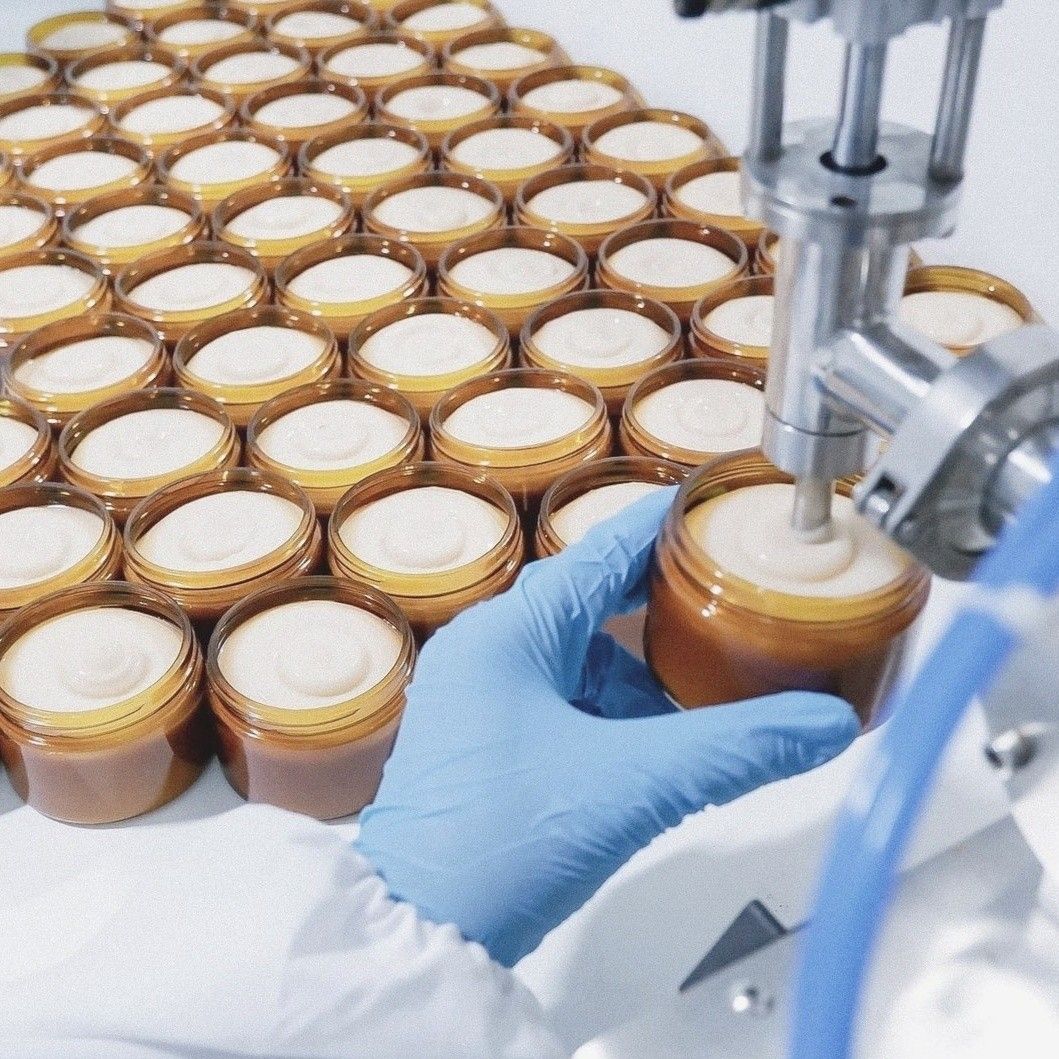
MEDISTE believes that a herbal wellness OEM/ODM project should begin with a clearly defined market and product brief before moving into sampling, packaging, production, and delivery coordination.
A commercially viable product begins with a clear requirement, not a vague product list.
Why Should an OEM/ODM Project Not Begin with the Formula?
Many brands begin their first inquiry by asking about available formulations, pricing, MOQ, and lead time.
These are important questions, but accurate answers are difficult when the target market, sales channel, product specifications, and packaging requirements have not yet been defined.
The same herbal product may require different specifications, packaging structures, product information, and development pathways when sold through supermarkets, hotels, corporate gifting programs, e-commerce platforms, or international markets.
Before selecting a formula, the project should answer several basic questions:
Who is the intended consumer?
Which sales channel will carry the product?
In what situation will the consumer use it?
Which country or region is the product intended for?
What consumer experience or market need should the product address?
What specifications, packaging format, and price range are expected?
The clearer these inputs are, the more efficiently the project can move through product selection, sampling, quotation, and production coordination.
Six Main Stages of a Herbal Wellness OEM/ODM Project
- Requirement Discovery
At the beginning of the project, the client should clarify the brand positioning, target consumer, sales channel, target market, product direction, budget range, estimated quantity, and planned launch schedule.
A project may also begin without an existing formulation. An initial product concept, reference sample, or defined market need can serve as the starting point.
- Product Definition
The product definition connects the commercial requirement with practical development and production.
It generally covers:
Product category and format
Intended use scenario
Target consumer
Product specifications and packaging format
Taste, aroma, texture, or skin-feel requirements
Method of use
Target cost range
Intended points of differentiation
A relatively clear product definition gives all parties a consistent standard for development and sample evaluation.
- Concept and Sample Development
Based on the confirmed product direction, formulation concepts, product formats, and samples can be coordinated.
A sample should not be assessed only by reviewing its ingredient list. The actual user experience also matters.
For oral herbal products, evaluation may include taste, aroma, preparation experience, serving method, and packaging convenience.
For external care products, evaluation may include scent, texture, skin feel, product size, fit, application method, and ease of use.
Feedback from each sample round should be documented, including what should be retained, adjusted, or tested again.
- Packaging and Specification Confirmation
Visual and structural packaging concepts may be developed alongside sampling.
However, the product name, ingredient information, directions for use, and related statements should only be finalized after the product category and solution are sufficiently clear.
This stage may include confirmation of:
Primary and secondary packaging
Unit specifications and carton configuration
Label information
Directions for use
Packaging material compatibility
Transportation and retail display requirements
Language and information requirements for the target market
- Quotation and Order Confirmation
A reliable quotation can be prepared after the product solution, specifications, packaging, and material requirements have been confirmed.
MOQ, pricing, payment terms, and lead time may be affected by the product category, formulation, packaging materials, printing processes, material procurement, and production arrangements. They must therefore be confirmed for each project.
- Production and Delivery Coordination
After order confirmation, the project moves into material preparation, production coordination, packaging, information review, and shipment planning.
MEDISTE manages client communication, project milestones, and production coordination while providing updates according to the actual project schedule.
How Do Oral Herbal Products and External Care Products Differ?
Oral Herbal Products
Herbal teas, substitute teas, herbal pastes, powdered beverages, and other oral herbal products generally require attention to:
Whether each ingredient is permitted for the intended product category
Whether the target consumer is clearly defined
Taste, aroma, and preparation experience
Serving method and suggested quantity
Packaging integrity and convenience
Labeling and target-market requirements
The food-and-herb concept may guide product development, but it does not replace ingredient review or regulatory assessment for the specific product.
Herbal External Care Products
Herbal patches, topical liquids, sprays, gels, creams, massage balms, and other external care products generally require attention to:
Intended area of application
Compatibility between materials, formulation, and packaging
Scent, texture, skin feel, and overall user experience
Product size, fit, or application method
Directions and precautions
Boundaries for product naming, labeling, and promotional communication
External care products should be communicated around everyday care and user comfort. The inclusion of herbal ingredients does not by itself support unreviewed product claims.
What Should the Client Prepare, and How Are Manufacturing Responsibilities Defined?
To make the first discussion more efficient, brands and buyers are encouraged to prepare:
Brand and company introduction
Target consumer
Sales channel
Target country or region
Preferred product direction
Reference products or images
Packaging and specification preferences
Budget range
Estimated purchase quantity
Planned launch schedule
A discussion can begin even if some information is not yet available, but the missing details should be completed before sample approval, packaging finalization, and quotation.
All applicable manufacturing licenses are held by the respective licensed production entities.
MEDISTE focuses on client requirement management, product planning, project management, OEM/ODM coordination, and supply chain resource integration.
For export and international customization projects, ingredients, product classification, specifications, packaging, labeling, documentation, and product communication must be reviewed according to the destination market.
A product that can be used or sold in China should not automatically be assumed to meet the requirements of another country or region.
Defining the market and product before moving into sampling and production is essential to reducing communication costs and avoidable rework.
Frequently Asked Questions
Can an ODM Project Begin Without an Existing Formulation?
Yes. The client may begin by providing the target market, consumer group, sales channel, preferred product format, and reference products. These inputs can then be translated into a product definition and development pathway.
What Is the Difference Between OEM and ODM?
OEM is generally more suitable when the client already has a relatively clear product solution, formulation, or sample.
ODM usually involves deeper support with product definition, solution development, and sample adjustment. The appropriate model depends on the specific project.
Can Oral and External Care Products Be Developed Together?
Yes. Oral and external care products can be planned around the same consumer group or use scenario.
However, each product must still undergo separate review for ingredients, classification, labeling, and manufacturing requirements.
Can Packaging Design Begin During Sample Development?
The visual style and structural direction can be developed in parallel with sampling.
The product name, ingredient information, directions for use, and related statements should be finalized only after the product solution is sufficiently clear.
How Soon Can Pricing and Lead Time Be Confirmed?
The product category, formulation or sample, specifications, packaging, quantity, and delivery requirements must first be confirmed.
Fixed pricing or lead time should not be provided before the project has been properly assessed.
Compliance Notice: This article is intended for business cooperation and product development discussion only and does not constitute medical advice. Specific formulations, labeling, and claims are subject to regulatory review in the target market.